Tennessee Unveils Smokey Grey Uniform Honoring 100 Years of Gen. Robert Neyland
Tennessee is taking a century of history onto the field.
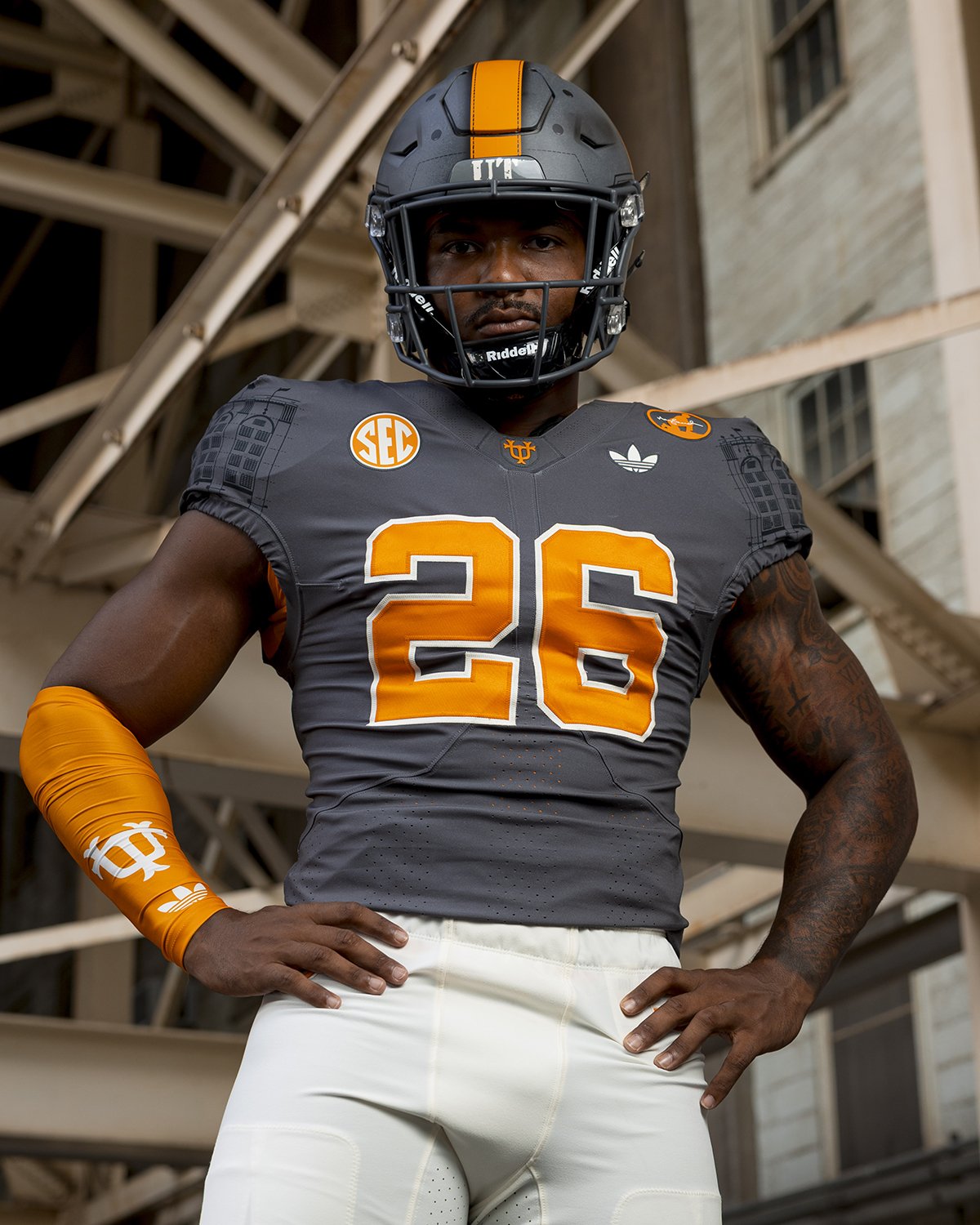
The 2026 football season marks 100 years since Gen. Robert Neyland began his first season as head coach of the Tennessee Volunteers, and Tennessee Athletics has teamed up with adidas to celebrate the milestone with a new "Smokey Grey" alternate uniform honoring his legacy.
The Vols will debut the uniform Oct. 3 against Auburn at Neyland Stadium, bringing together design elements from throughout Neyland's legendary tenure from 1926 through 1952.
Rather than recreating one specific uniform, Tennessee pulled details from multiple eras of Neyland's career, incorporating references to his military background, championship teams, football philosophy and the evolution of Shields-Watkins Field into what is now Neyland Stadium.
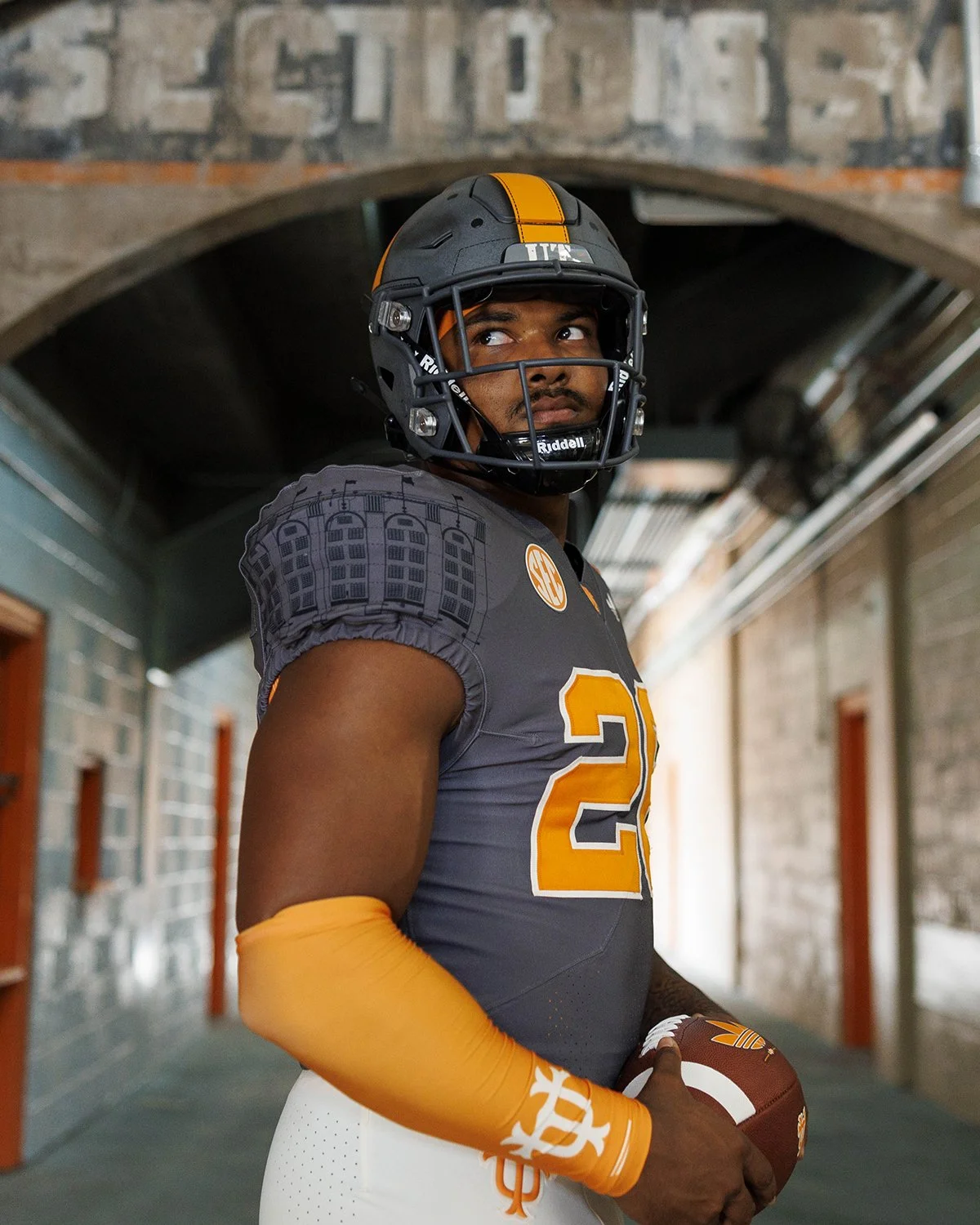
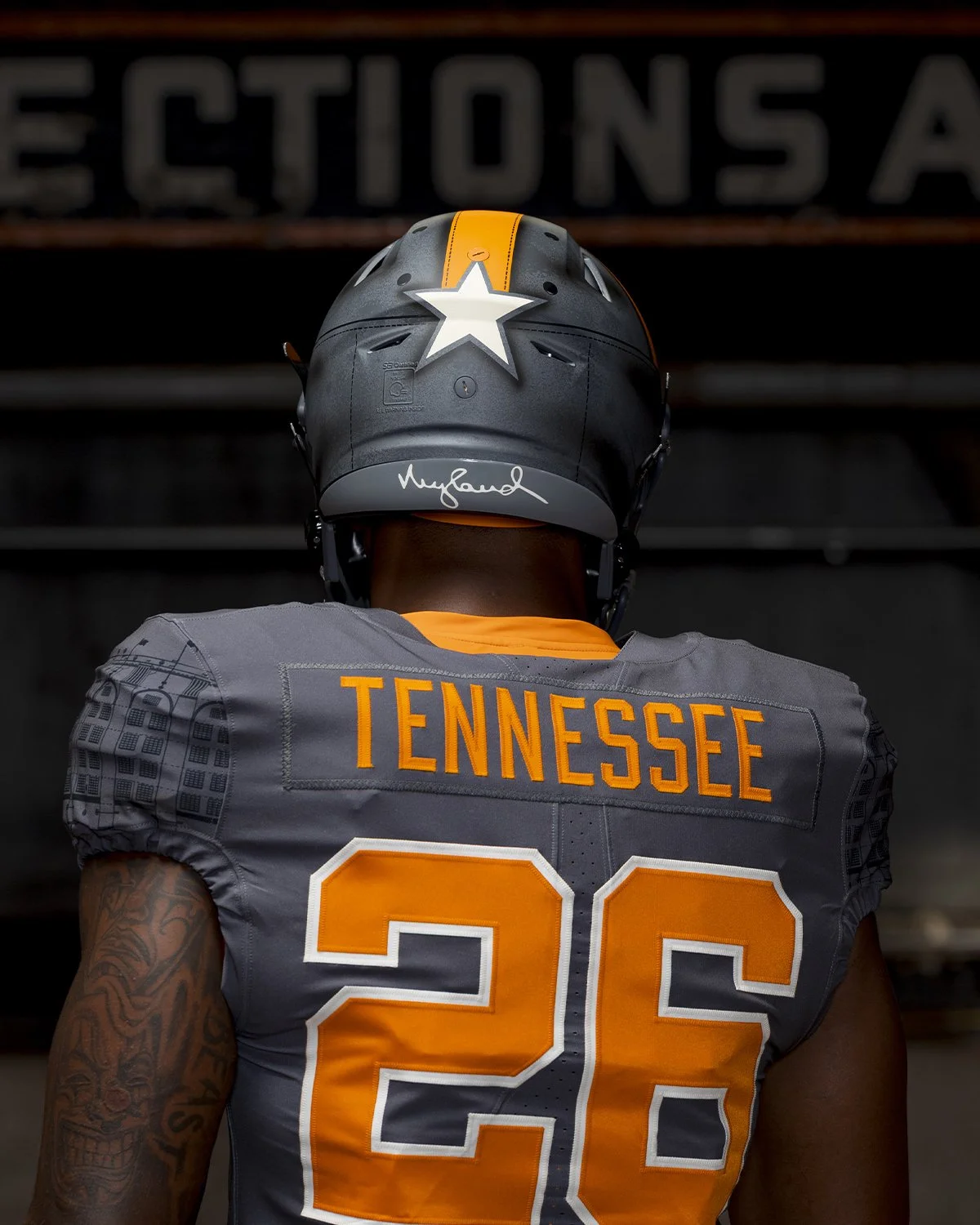
The helmet might be the most striking piece of the collection. The design draws inspiration from the leather helmets Tennessee players wore from the program's early days through 1949, including cross-pattern and stitching details pulled from the Vols' 1938 national championship helmet.
That 1938 team was dominant, allowing just 16 points across an 11-game season, including eight shutouts, on its way to Tennessee's first national championship.
A bold star appears on the back of the helmet, representing Neyland's rank as a Brigadier General. His signature is featured on the back bumper, while a stenciled "UT" on the front bumper references the type of lettering seen on Tennessee practice gear during the Neyland era.
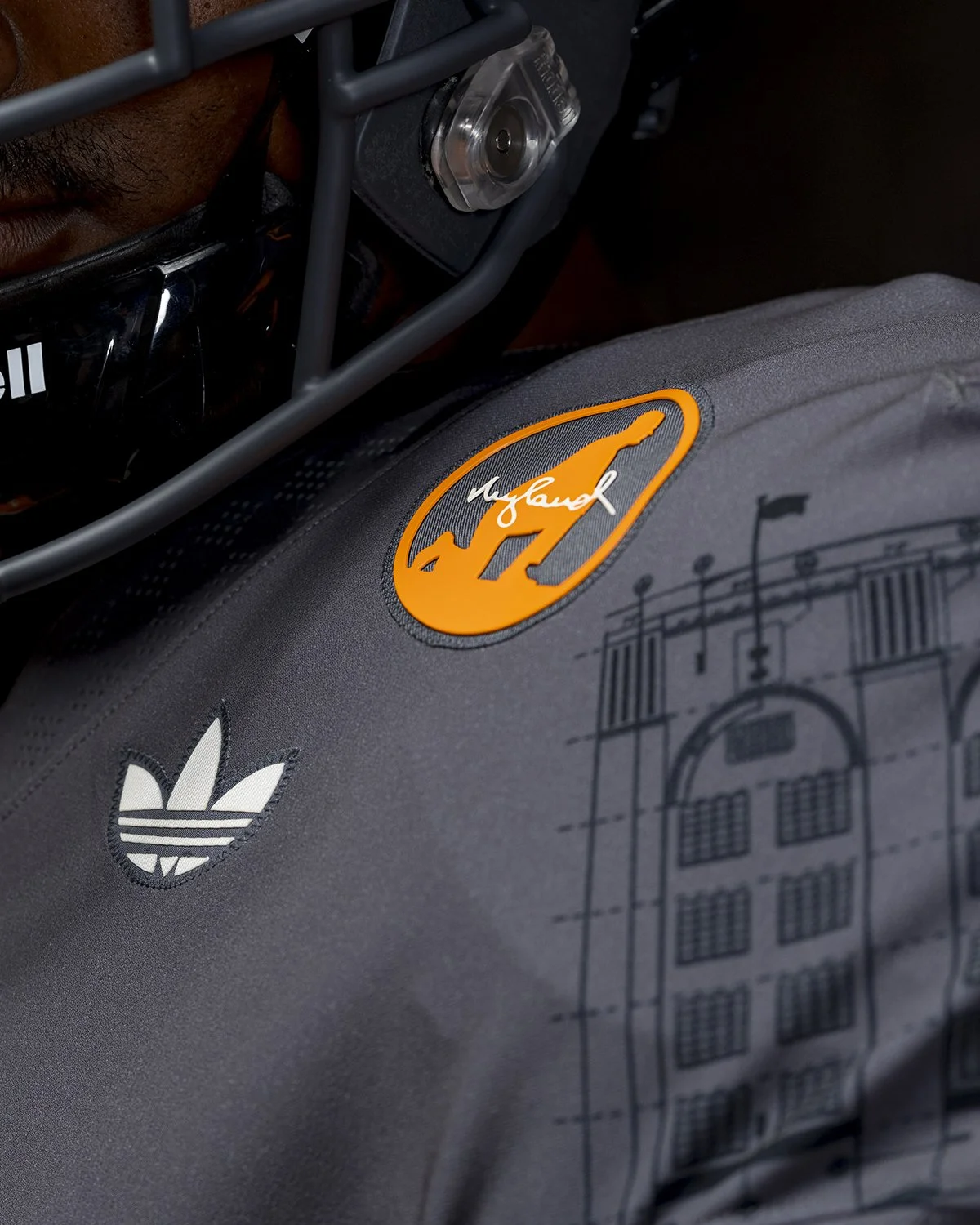
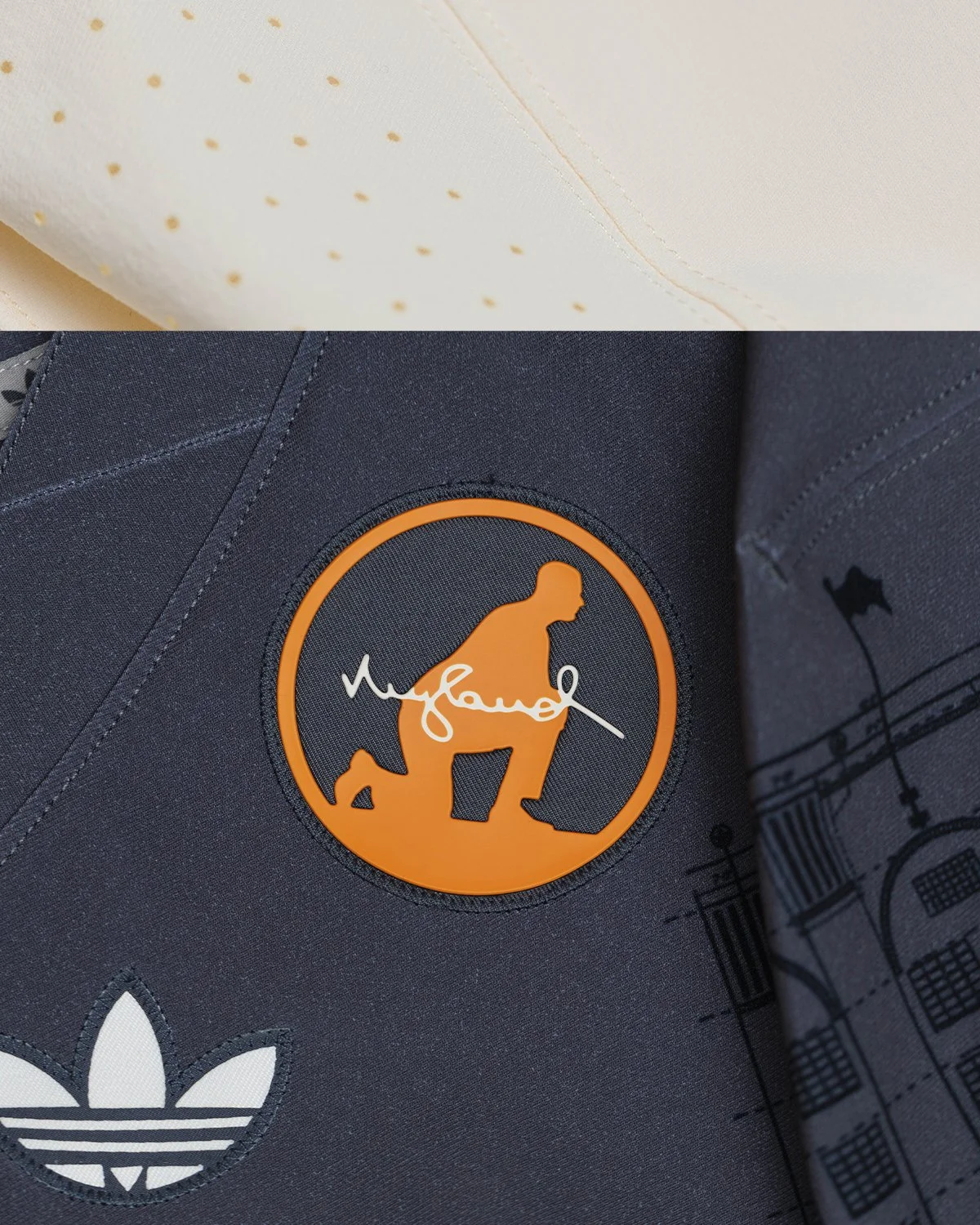
One of the most personal details is the Neyland patch. The patch uses the silhouette of Neyland's famous kneeling pose, the same image used for his statue that now serves as the centerpiece of Champions Corner on the southwest side of Neyland Stadium. His signature is incorporated into the patch, making it one of the uniform's most direct tributes to the legendary coach.
Neyland wasn't only a football coach. His background in the Army Corps of Engineers also influenced the development of Tennessee's home venue.
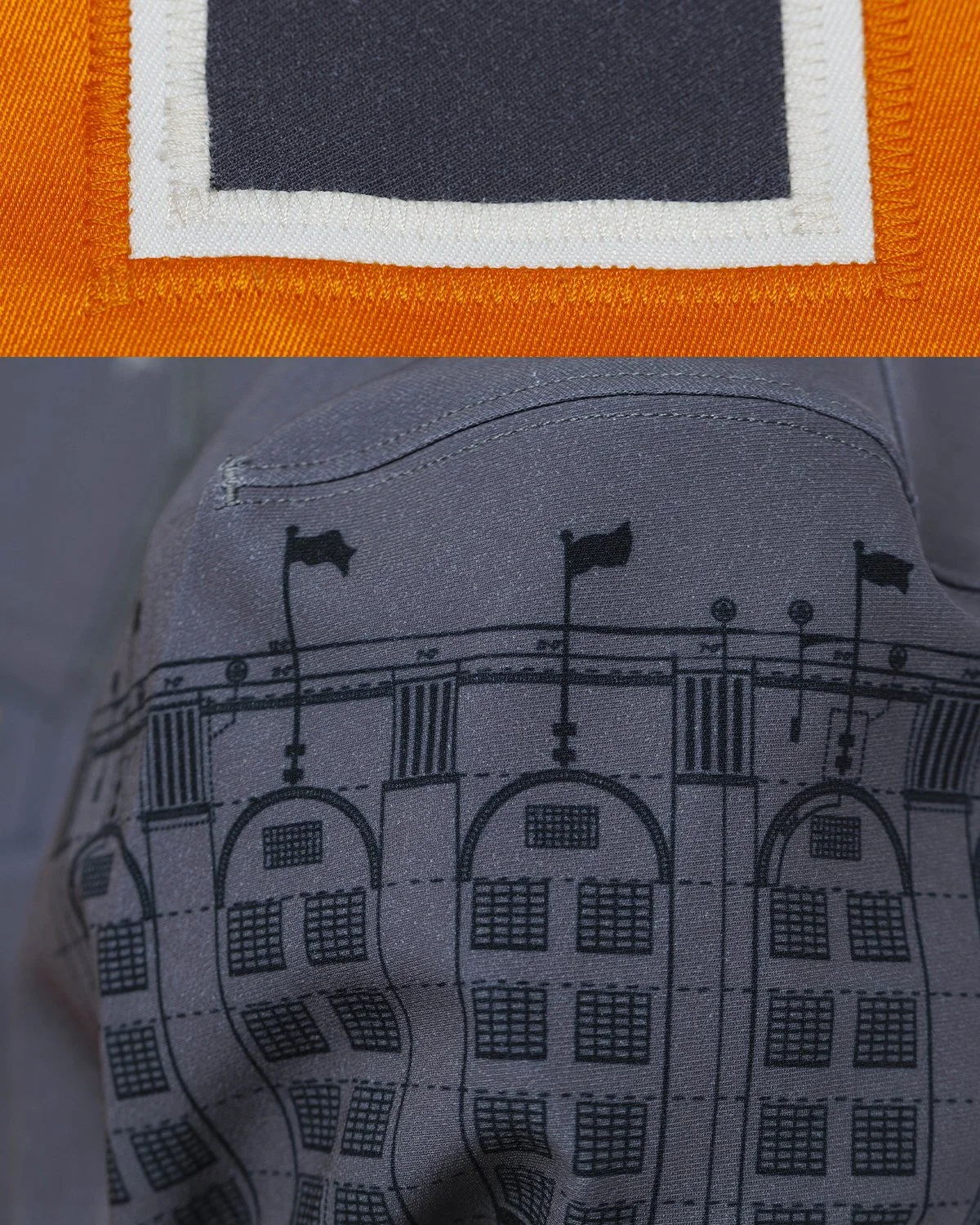
The shoulder design features architectural blueprints from the 1948 expansion of Shields-Watkins Field, which helped create the south end of the stadium. Those architectural details remain visible in some of the oldest portions of what is now Neyland Stadium. It's a particularly fitting detail considering how closely Neyland's legacy is tied to the stadium that eventually carried his name.
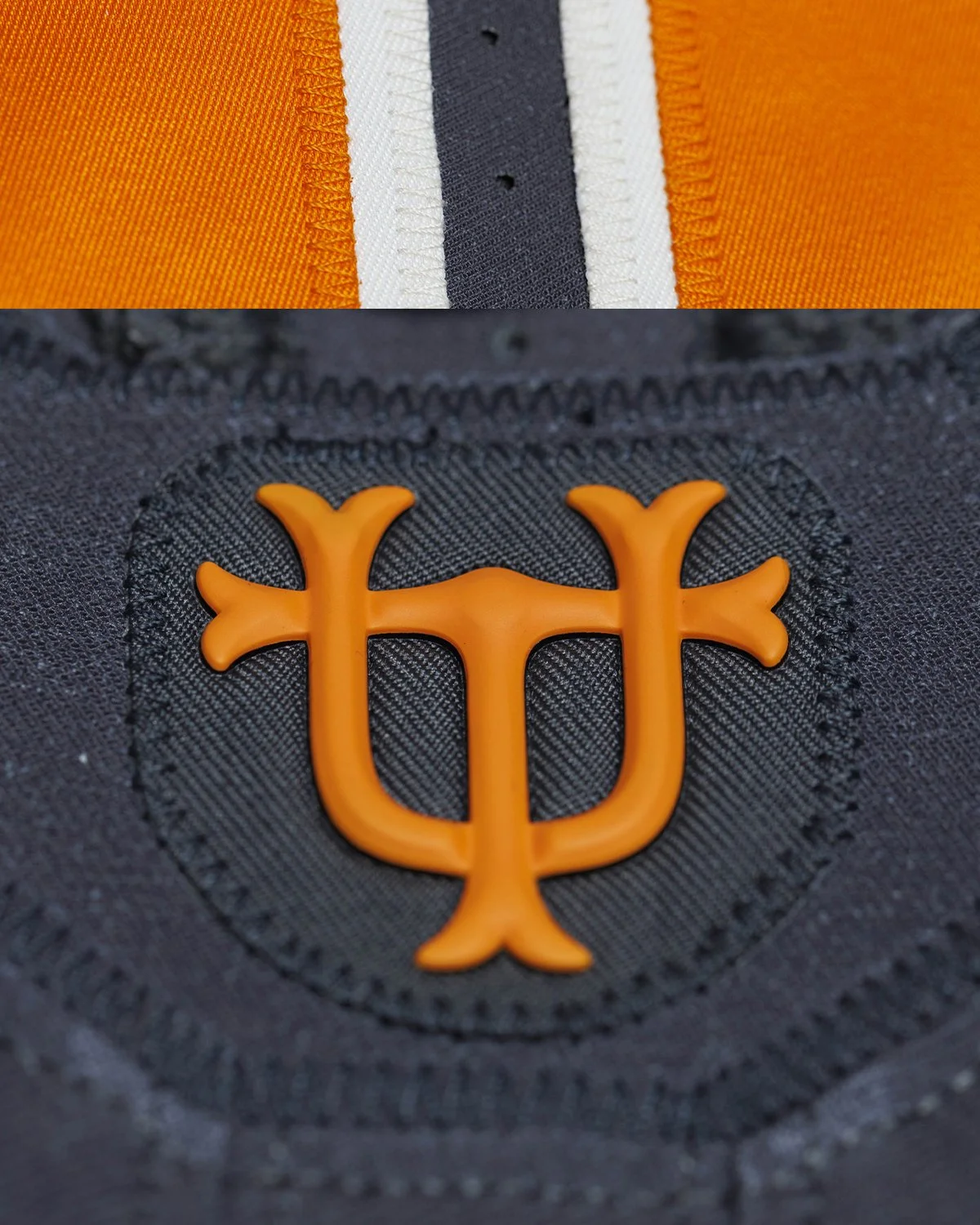
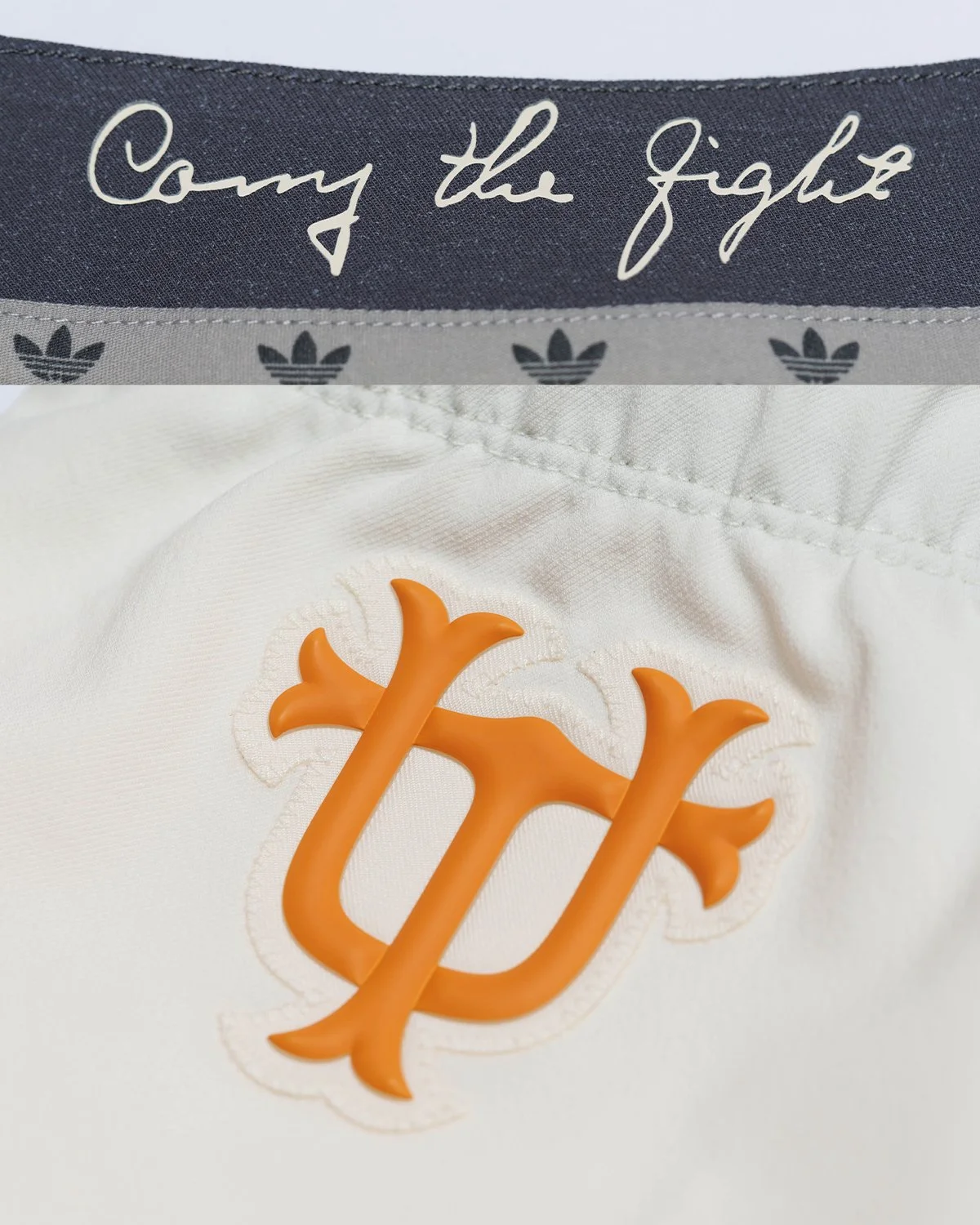
Another deep-cut historical reference appears in the form of the interlocking UT. The design comes from a 1952 photograph of Neyland wearing a rarely seen, baseball-inspired version of the Tennessee logo. The reference also connects to Neyland's own playing career.
Before becoming one of college football's legendary coaches, Neyland played baseball at Army from 1913-16 as a pitcher and first baseman. He finished his Army pitching career with a 35-5 record, an .875 winning percentage that remains second in program history.
While Tennessee officially adopted orange and white as its primary colors in 1891, the Vols' early uniforms weren't always the instantly recognizable orange-and-white combination fans know today. During the program's first half-century, Tennessee uniforms featured a mixture of orange, white, grey, black and tan. The cream accents on the new uniform specifically reference the color of the tan leather helmets and football pants worn during the early years of the program.
That helps explain why the Smokey Grey uniform feels so different from a typical Tennessee alternate while still being rooted in legitimate program history.
The uniform's number font is another historical callback.
The typography and sizing recreate the numbers used by Tennessee's 1938 and 1939 teams, bringing another detail from Neyland's championship era into the modern design. It's the kind of small detail that may go unnoticed at first glance but gives the uniform considerably more historical depth.
Perhaps the most personal detail is hidden inside the uniform. Neyland developed 38 team maxims throughout his coaching career. Seven of them, known as the Game Maxims, continue to be used by Tennessee teams today.
The inside of the back collar features "Carry the Fight" in Neyland's handwriting, referencing the opening command of his seventh Game Maxim. It's a subtle reminder that the uniform isn't only celebrating what Neyland wore or how his teams looked. It's also celebrating the philosophy he left behind.
Tennessee and adidas went even deeper with the design. The front collar features checkerboard perforations, referencing Neyland's famous command for his players to "charge the checkerboards" atop Ayres Hall, which sits north of Shields-Watkins Field.
Meanwhile, the perforations at the bottom of the jersey feature vertical traction lines inspired by the stripes found on some of Tennessee's earliest football uniforms.
Tennessee's Smokey Grey uniform is much more than another alternate.
Nearly every major element has a purpose, from the leather helmet-inspired construction and 1938 championship details to Neyland's signature, military rank, stadium blueprints and handwritten maxims.
The result is a uniform that tells the story of Robert Neyland, Tennessee football and the evolution of one of college football's most iconic programs.
SHOP Tennessee gear HERE
See What Else Is New
Featured
Related Articles
Featured